
 ES
ES  RU
RU  TR
TR  FA
FA  AR
AR  ZH
ZH A whistleblower is someone who reports illegal or unethical activities they have witnessed, usually in a workplace or organization. Anyone with knowledge of fraud, corruption, or violations of laws can become a whistleblower. They do not need to be directly involved in the wrongdoing but must have firsthand knowledge of the misconduct. Legal protections are available to ensure whistleblowers are not retaliated against for their actions.
Whistleblowers can report a wide range of fraudulent activities, including:
- False billing or claims (e.g., for services not rendered)
- Corruption or bribery (involving government contracts or procurement)
- Insider trading (involving non-public information)
- Money laundering activities
- Environmental violations (illegal dumping or pollution)
- Tax evasion (false reporting of income, deductions, etc.)
- Consumer fraud (misleading advertising or defective products)
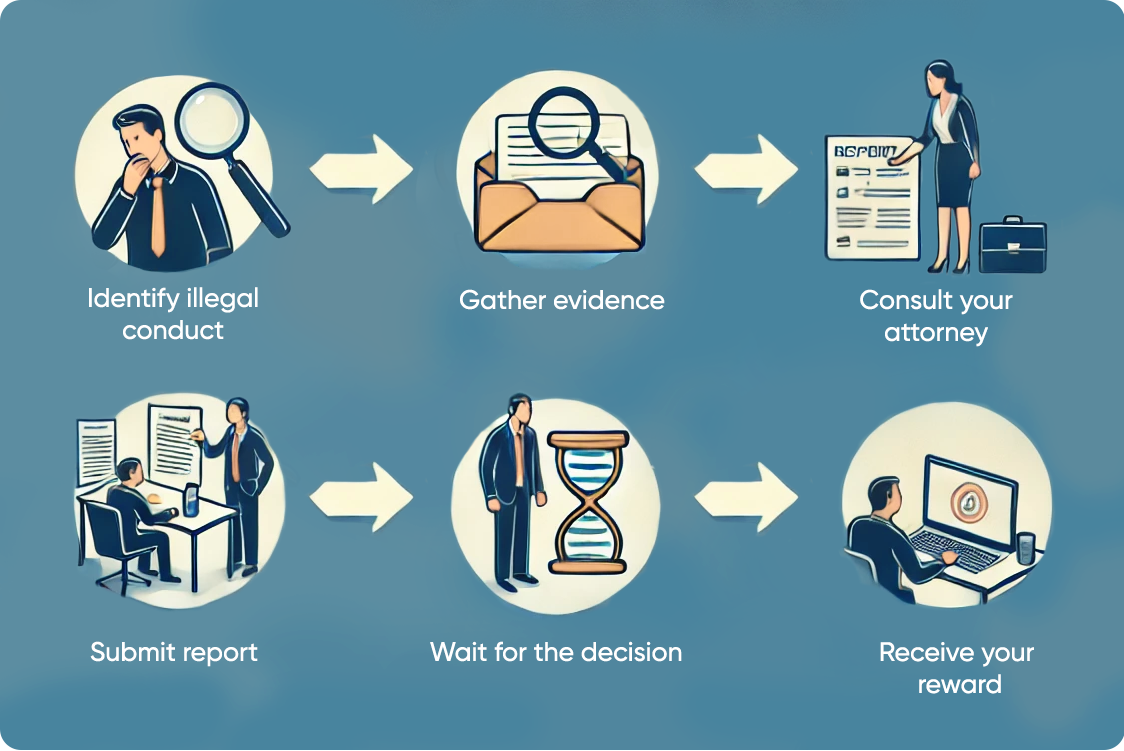
To support a whistleblower case, you need credible, specific evidence of wrongdoing. The evidence must be relevant and directly demonstrate the violation.
Whistleblowers can remain anonymous, especially if you file through a whistleblower law firm. Whistleblower lawyers help protect your identity, ensuring that it remains confidential while still allowing you to report fraud or misconduct – depending, however, on the specific whistleblower program and the nature of your case. Your specialized whistleblower attorney can advise you on how to maintain your privacy throughout the process.

Please be advised that there are no obligations incurred until we have conducted a comprehensive review and reached a determination regarding the potential for proceeding with your matter.
Submit your case anonymously
Protecting Employees Who Speak Up About Workplace Safety
The Occupational Safety and Health Act (OSHA) ensures that employees can report unsafe working conditions without fear of retaliation. If you raise concerns about workplace safety or health, the law protects your right to do so—and provides legal remedies if your employer takes action against you.
What Is Protected Activity?
You are protected when you:
- Report workplace safety or health hazards to OSHA or your employer
- Participate in an OSHA investigation or inspection
- Refuse dangerous work under certain conditions
- Testify or provide evidence in an OSHA proceeding
What Retaliation Looks Like
Employers are prohibited from retaliating against whistleblowers. Retaliation may include:
- Termination or demotion
- Pay cuts or loss of hours
- Intimidation or harassment
- Blacklisting or damaging your professional reputation
Your Rights Under OSHA
If you face retaliation for reporting safety concerns, you may be entitled to:
- Reinstatement to your job
- Back pay and lost benefits
- Compensation for damages
- Protection of your confidentiality
OSHA’s Whistleblower Protection Program
In addition to the OSH Act, OSHA enforces more than 20 federal whistleblower laws. These laws protect employees who report various types of violations, including transportation safety, financial fraud, environmental risks, consumer protection, and more:
- Affordable Care Act (ACA) — 29 U.S.C. § 218C
- Anti-Money Laundering Act (AMLA) — 31 U.S.C. § 5323(a)(5), (g), (j)
- Asbestos Hazard Emergency Response Act (AHERA) — 15 U.S.C. § 2651
- Clean Air Act (CAA) — 42 U.S.C. § 7622
- Comprehensive Environmental Response, Compensation, and Liability Act (CERCLA) — 42 U.S.C. § 9610
- Consumer Financial Protection Act (CFPA) — 12 U.S.C. § 5567
- Consumer Product Safety Improvement Act (CPSIA) — 15 U.S.C. § 2087
- Criminal Antitrust Anti-Retaliation Act (CAARA) — 15 U.S.C. § 7a-3
- Energy Reorganization Act (ERA) — 42 U.S.C. § 5851
- FDA Food Safety Modernization Act (FSMA) — 21 U.S.C. § 399d
- Federal Railroad Safety Act (FRSA) — 49 U.S.C. § 20109
- Federal Water Pollution Control Act (Clean Water Act) (FWPCA/CWA) — 33 U.S.C. § 1367
- International Safe Container Act (ISCA) — 46 U.S.C. § 80507
- Moving Ahead for Progress in the 21st Century Act (MAP-21) — 49 U.S.C. § 30171
- National Transit Systems Security Act (NTSSA) — 6 U.S.C. § 1142
- Pipeline Safety Improvement Act (PSIA) — 49 U.S.C. § 60129
- Safe Drinking Water Act (SDWA) — 42 U.S.C. § 300j-9(i)
- Sarbanes-Oxley Act (SOX) — 18 U.S.C. § 1514A
- Seaman’s Protection Act (SPA) — 46 U.S.C. § 2114
- Solid Waste Disposal Act (SWDA/RCRA) — 42 U.S.C. § 6971
- Surface Transportation Assistance Act (STAA) — 49 U.S.C. § 31105
- Taxpayer First Act (TFA) — 26 U.S.C. § 7623(d)
- Toxic Substances Control Act (TSCA) — 15 U.S.C. § 2622
- Wendell H. Ford Aviation Investment and Reform Act for the 21st Century (AIR21) — 49 U.S.C. § 42121
How We Help
Our team represents OSHA whistleblowers nationwide. We guide you through filing a complaint, protect your rights during investigations, and pursue the maximum remedies available under the law.
If you believe your rights have been violated after reporting workplace safety issues, contact us today for a confidential consultation.
Please be advised that there are no obligations incurred until we have conducted a comprehensive review and reached a determination regarding the potential for proceeding with your matter.
Submit your case anonymously
Defending Against Retaliation Claims Under Section 11(c)
Employers must comply not only with OSHA’s safety standards, but also with its anti-retaliation rules. Section 11(c) of the OSH Act makes it illegal to punish workers for raising safety concerns, filing complaints, or participating in OSHA investigations. Violations can lead to fines, lawsuits, and costly settlements.
What Employers Need to Know
- Tight deadlines: Workers have only 30 days to file a retaliation claim, and OSHA investigates quickly.
- Broad protections: Employees need only show a good faith belief that the workplace was unsafe—not that they were correct.
- High risk: Penalties can include reinstatement, back pay, emotional distress damages, and attorney’s fees.
Common Employer Pitfalls
- Poorly documented discipline after a safety complaint
- Policies that discourage reporting (e.g., automatic drug testing, injury bonuses)
- Managers unaware of what counts as retaliation
- Lack of safe internal reporting channels
How We Protect Employers
Our team helps businesses nationwide:
- Defend against OSHA retaliation investigations and claims
- Develop anti-retaliation policies and train managers
- Create confidential reporting systems to reduce risk
- Strategically handle settlements when appropriate
- Provide legal review before disciplinary action against whistleblowers
OSHA’s Whistleblower Protection Program
OSHA enforces over 20 additional federal whistleblower protection laws, including:
- Affordable Care Act (ACA) — 29 U.S.C. § 218C
- Anti-Money Laundering Act (AMLA) — 31 U.S.C. § 5323(a)(5), (g), (j)
- Asbestos Hazard Emergency Response Act (AHERA) — 15 U.S.C. § 2651
- Clean Air Act (CAA) — 42 U.S.C. § 7622
- Comprehensive Environmental Response, Compensation, and Liability Act (CERCLA) — 42 U.S.C. § 9610
- Consumer Financial Protection Act (CFPA) — 12 U.S.C. § 5567
- Consumer Product Safety Improvement Act (CPSIA) — 15 U.S.C. § 2087
- Criminal Antitrust Anti-Retaliation Act (CAARA) — 15 U.S.C. § 7a-3
- Energy Reorganization Act (ERA) — 42 U.S.C. § 5851
- FDA Food Safety Modernization Act (FSMA) — 21 U.S.C. § 399d
- Federal Railroad Safety Act (FRSA) — 49 U.S.C. § 20109
- Federal Water Pollution Control Act (Clean Water Act) (FWPCA/CWA) — 33 U.S.C. § 1367
- International Safe Container Act (ISCA) — 46 U.S.C. § 80507
- Moving Ahead for Progress in the 21st Century Act (MAP-21) — 49 U.S.C. § 30171
- National Transit Systems Security Act (NTSSA) — 6 U.S.C. § 1142
- Pipeline Safety Improvement Act (PSIA) — 49 U.S.C. § 60129
- Safe Drinking Water Act (SDWA) — 42 U.S.C. § 300j-9(i)
- Sarbanes-Oxley Act (SOX) — 18 U.S.C. § 1514A
- Seaman’s Protection Act (SPA) — 46 U.S.C. § 2114
- Solid Waste Disposal Act (SWDA/RCRA) — 42 U.S.C. § 6971
- Surface Transportation Assistance Act (STAA) — 49 U.S.C. § 31105
- Taxpayer First Act (TFA) — 26 U.S.C. § 7623(d)
- Toxic Substances Control Act (TSCA) — 15 U.S.C. § 2622
- Wendell H. Ford Aviation Investment and Reform Act for the 21st Century (AIR21) — 49 U.S.C. § 42121
Each whistleblower law comes with its own deadlines, remedies, and procedures, and many protections go beyond just workplace safety issues.
Why Act Early
Retaliation claims can escalate fast. Bringing in counsel early helps protect your business, strengthen defenses, and prevent costly mistakes.
If your company is facing an OSHA retaliation claim—or you want to reduce risk—contact us today for a confidential employer defense consultation.
Please be advised that there are no obligations incurred until we have conducted a comprehensive review and reached a determination regarding the potential for proceeding with your matter.
Submit your case anonymously
Healthcare Fraud & Violations
Healthcare fraud undermines trust in medical systems, inflates costs, and jeopardizes public health. It includes deceptive practices that defraud government programs like Medicare and Medicaid or private insurers. Fraudulent activities such as billing for unprovided services, kickbacks, or false diagnoses cost billions annually. Reporting fraud safeguards resources and ensures ethical practices across healthcare systems.
Financial Fraud & Violations
Financial Fraud involves illegal activities aimed at financial gain, such as securities fraud, insider trading, and mortgage fraud. These violations are often committed by individuals, financial institutions, or corporations seeking to manipulate or deceive financial systems for profit. Financial fraud can cause significant harm to investors, the economy, and the public.
Government Fraud & Violations
Fraud targeting government programs undermines public trust and wastes taxpayer dollars. It includes a wide range of violations in defense, procurement, education, customs, environmental sectors, in oil and gas industries and more. These schemes often involve private companies, institutions, and individuals exploiting government resources for personal or corporate gain. Identifying and reporting these violations is crucial to safeguarding public funds and ensuring accountability in public and private sectors.
International Fraud & Violations
International fraud involves violations of laws across borders, including foreign corruption and money laundering. The Foreign Corrupt Practices Act (FCPA) targets bribery of foreign officials by U.S. companies, while anti-money laundering laws combat the concealment of illicit funds. Both types of fraud can lead to significant legal consequences, making it crucial to report violations through proper channels, often with legal assistance to ensure compliance and protection.
SEC Fraud and Violations
The SEC (Securities and Exchange Commission) is responsible for regulating and enforcing federal securities laws to protect investors and maintain fair and efficient markets. Fraudulent activities like insider trading, market manipulation, and accounting fraud undermine trust in financial markets. The SEC investigates and prosecutes such violations to ensure transparency and integrity in the financial system. Whistleblowers play a crucial role by reporting violations and can be rewarded for their information, with legal assistance often crucial to navigating the reporting process.
OFAC Fraud & Violations
OFAC fraud and violations involve illegal financial transactions and activities that violate U.S. sanctions and embargoes, typically aimed at avoiding legal restrictions on certain foreign entities or individuals. The U.S. Department of the Treasury's Office of Foreign Assets Control (OFAC) enforces these regulations, targeting money laundering, terrorism financing, and other illegal financial activities. Whistleblowers who report violations can play a crucial role in protecting national security and maintaining financial integrity.
FTC Fraud & Violations
FTC fraud and violations refer to deceptive, unfair, or fraudulent practices targeting consumers or businesses. The Federal Trade Commission (FTC) enforces rules to protect consumers from such activities. Violations often involve false advertising, misleading business practices, or fraud in financial transactions. Reporting FTC fraud helps protect consumers and maintain ethical business practices.
FinCEN Fraud and Violations
FinCEN (Financial Crimes Enforcement Network) fraud involves illegal financial activities that violate anti-money laundering (AML) laws, typically aiming to conceal illicit funds or evade financial regulations. These violations undermine the integrity of the financial system and can involve money laundering, terrorist financing, or other financial crimes. FinCEN, part of the U.S. Department of Treasury, works to identify, investigate, and prevent these activities. Whistleblowers play a vital role in detecting and reporting such violations to ensure a safer financial environment.